The Undeniable Importance of Drawing in Fine Art
- Mayuri Das
- Jul 23, 2023
- 2 min read
Updated: Mar 20, 2024
Fine art encompasses a wide range of mediums and techniques, but one fundamental skill that remains constant is drawing. Often considered the backbone of artistic expression, drawing serves as the foundation upon which a successful artwork is built. In this blog, we will explore the significance of drawing in fine art and why it continues to be a crucial aspect of an artist's development.
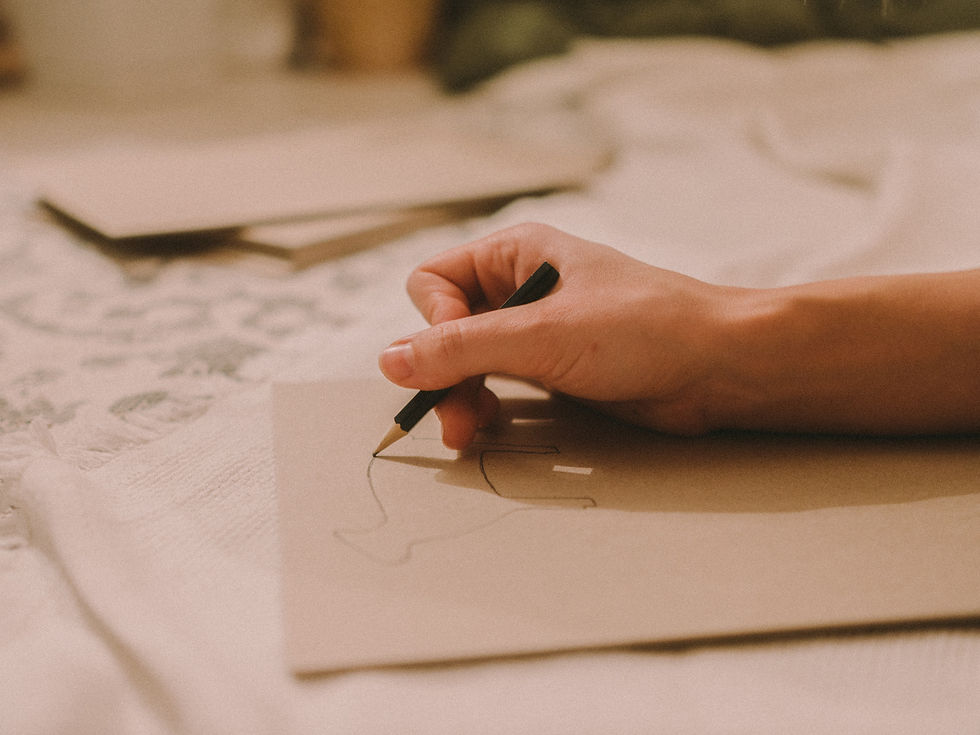
Capturing Ideas and Concepts: Drawing is a powerful tool for artists to convey their ideas and concepts. It allows them to sketch out their visions, compositions, or preliminary designs before translating them into a finished piece. Through drawing, artists can explore various possibilities, refine their concepts, and communicate their artistic intentions effectively.
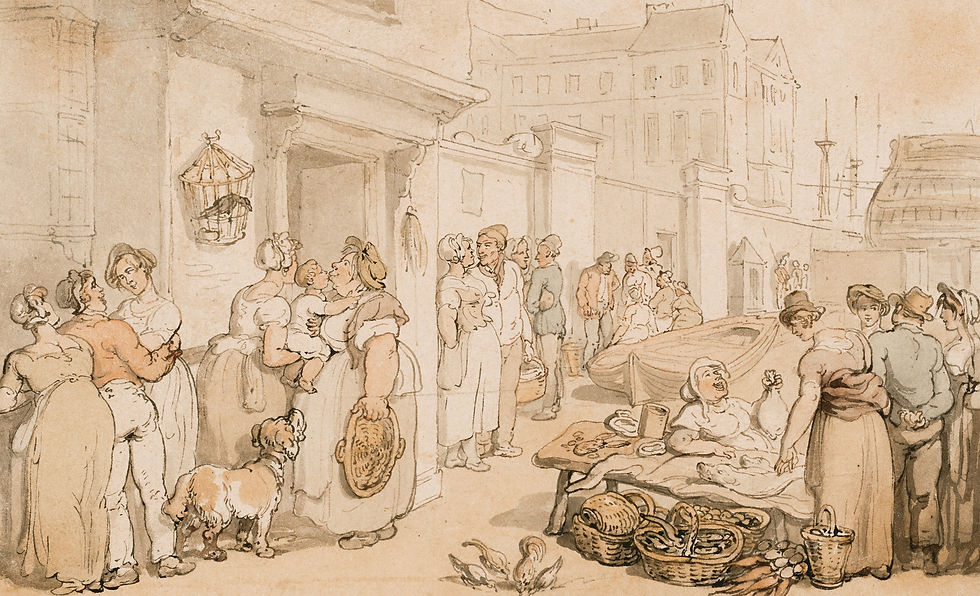
Enhancing Observation Skills: Drawing enhances an artist's ability to observe and understand the world around them. By studying subjects closely and carefully, artists can refine their observation skills and capture intricate details that may go unnoticed by others. This attention to detail helps artists develop a keen eye for shapes, proportions, values, and textures, which directly impact their artwork's realism and accuracy.
Sketch books that help you draw - https://amzn.to/3Py6jdJ

Improving Hand-Eye Coordination: Drawing requires a combination of physical coordination and mental processing. As artists manipulate their chosen medium - be it pencil, charcoal, or ink - they develop fine motor skills and hand-eye coordination. Artists learn to translate their visual observations into nuanced lines and shadows, adapting their strokes to match their intent. The repetition and practice required in drawing lead to improved dexterity and control, aiding artists in expressing their artistic visions with greater precision.
Charcoal sticks that support your drawing - https://amzn.to/3Ptl15G
Graphite pencils that help you improve your drawing - https://amzn.to/493ZF5O

Developing Creativity and Problem-Solving: Drawing encourages artists to think creatively and solve visual problems. While creating original artwork, artists must make decisions about composition, arrangement, and aesthetic elements. Through drawing, artists explore different approaches, experiment with various techniques, and push their creative boundaries. This process of trial and error not only aids artistic growth but also fosters critical thinking and problem-solving skills that can be applied to other aspects of life.
Ink drawing - https://amzn.to/3vfGCrz

Expressing Emotions and Imagination: Drawing provides an outlet for emotional expression and exploration of the imagination. Artists can use drawing as a cathartic means to convey personal feelings, experiences, and perspectives. It allows for the externalization of emotions and the creation of visually captivating narratives. Additionally, drawing allows artists to tap into their imagination, giving life to fantastical worlds, characters, and ideas that may not exist in reality.

Conclusion: Drawing remains an essential and foundational skill in the realm of fine art. Its significance lies in its ability to capture ideas, improve observation skills, enhance hand-eye coordination, foster creativity and problem-solving, and provide an outlet for emotional expression and imagination. Whether as a means of planning, studying, or creating unique artworks, drawing plays a pivotal role in an artist's journey, contributing to their growth, skill development, and artistic prowess. Aspiring artists should embrace drawing as an invaluable tool for self-expression and exploration in their artistic practice.


Comments